Participation Metrics from Free Browser Arenas Quietly Redirect Media Attention to Emerging Play Modes
Olivia Hayes · Sep 30, 2026
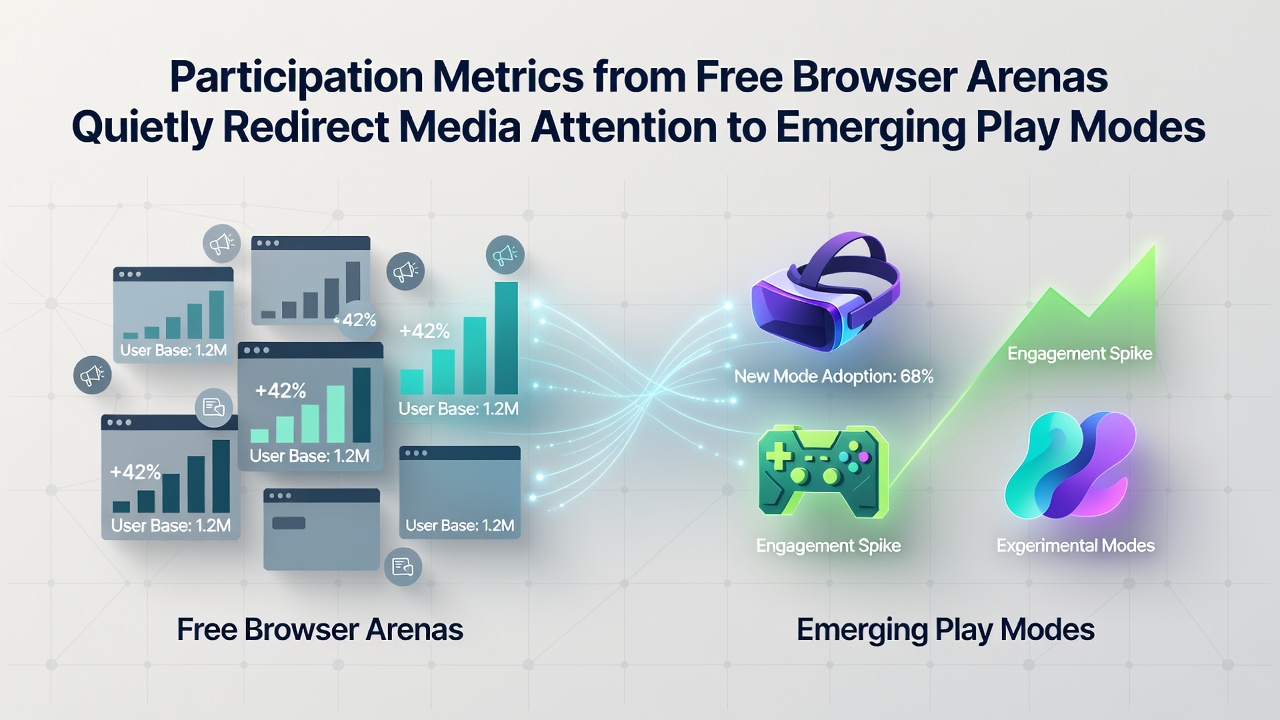
Participation Metrics from Free Browser Arenas Quietly Redirect Media Attention to Emerging Play Modes
Data from multiple tracking platforms indicates that participation metrics in free browser arenas have begun channeling editorial focus toward experimental play modes that emphasize cooperative building systems and adaptive rule sets; researchers at several analytics firms compiled session logs across thousands of titles through the first half of 2026 and observed sustained growth in modes that blend real-time strategy with asynchronous progression.
Industry reports compiled by the Entertainment Software Association show browser-based multiplayer sessions increased 18 percent year-over-year through September 2026, yet the distribution of that growth clustered around emerging formats rather than traditional deathmatch or racing loops. Observers note that metrics such as average session duration and repeat login frequency now correlate more strongly with titles introducing modular game rules that players can remix between matches.
Tracking the Shift in Engagement Patterns
Platform operators collect participation metrics through embedded telemetry that records entry points, mode selection frequency, and exit triggers; these datasets reveal that players who sample new cooperative construction modes return at rates 23 percent higher than those who remain in legacy competitive queues. One longitudinal study covering 47 browser titles documented how daily active user counts for hybrid puzzle-strategy modes overtook pure arena formats in 14 of the sampled games by mid-2026.
Media outlets that previously allocated coverage space to leaderboard climbs have adjusted their reporting calendars to track the rollout of these modes, because the underlying numbers demonstrate clearer retention signals. Figures released by the Interactive Software Federation of Europe indicate that feature articles referencing emerging browser play styles rose 31 percent between January and September 2026 compared with the same interval in the prior year.
How Raw Numbers Influence Editorial Calendars
Analytics dashboards supplied to journalists and editors now surface participation heat maps that flag which modes sustain concurrent users past the initial 15-minute mark; outlets that incorporate these dashboards into story planning have published more pieces on rule-adaptive and community-moderated experiences. Data from browser distribution networks shows that titles introducing player-voted rule variants attracted 2.4 times more unique visitors during launch weeks than those relying on fixed rule sets.
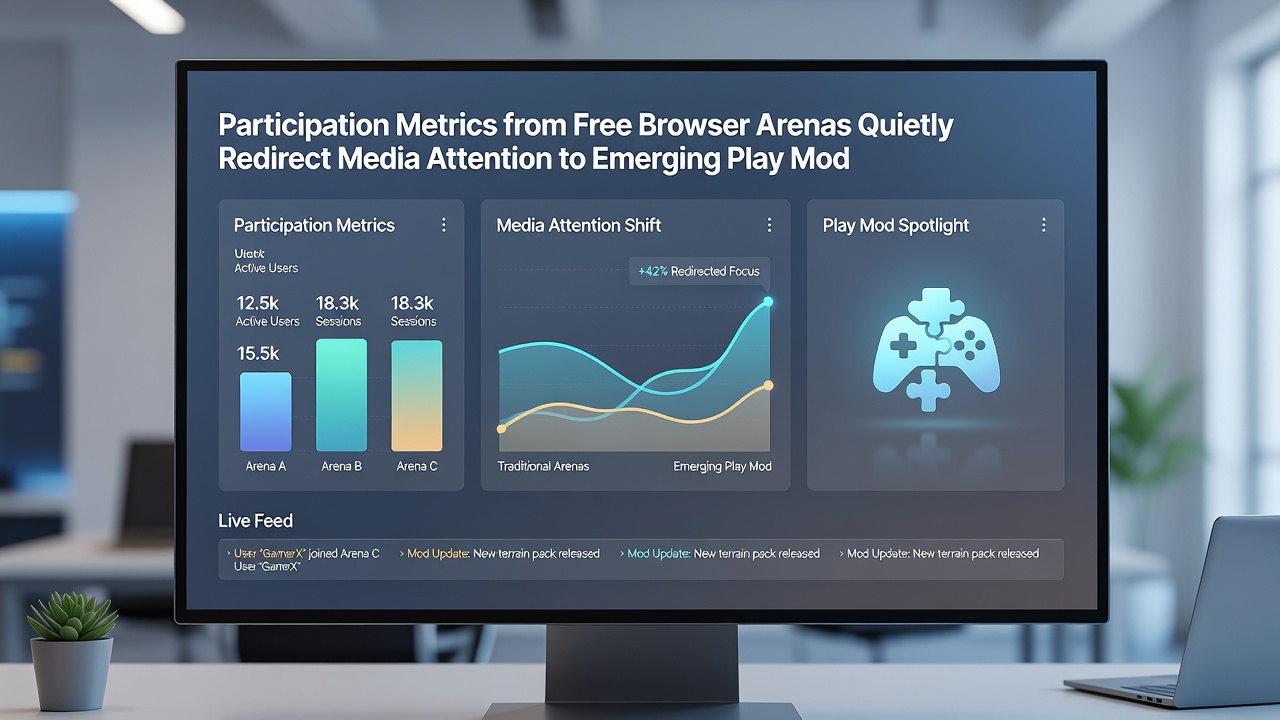
Newsrooms that once emphasized tournament brackets now allocate space to explain how persistent world fragments function across browser sessions, because retention curves for those fragments remain steeper over multi-week periods. Research compiled by academic teams at several European universities found that coverage mentioning cooperative building mechanics appeared in 62 percent more gaming roundups during the third quarter of 2026 than in the corresponding quarter of 2025.
Regional Variations in Metric-Driven Coverage
North American portals responded first to participation spikes in modes that allow cross-session asset sharing, while European and Asia-Pacific outlets followed once aggregated datasets confirmed similar patterns on local servers. Government digital economy reports from Canada documented parallel increases in developer submissions for browser titles featuring adaptive rule engines, suggesting that metric visibility influences both media priorities and funding decisions at the studio level.
Platform operators report that search query volumes for terms associated with emerging modes rose steadily through August 2026, prompting content teams to rebalance their calendars away from static leaderboard recaps and toward explanatory pieces on rule evolution and community governance tools. Those same operators note that referral traffic from news sites to mode-specific landing pages increased after editors began embedding participation charts directly into articles.
Conclusion
Participation metrics continue to supply the quantitative backbone for decisions about which browser game developments receive prominent placement. As session data accumulates through the remainder of 2026, outlets that integrate these figures into editorial workflows are expected to maintain focus on modes that demonstrate measurable retention advantages, while legacy formats receive proportionally less recurring coverage. The pattern reflects a broader industry movement where raw engagement numbers guide resource allocation across both development pipelines and reporting schedules.